Deep vision in permanent dusk
Neural perception tuned for 4-watt sunlight: terrain mapping, hazard detection and landing site selection at 40 Kelvin, no uplink required.
01EARTH · 34.9 AU FROM TARGET · 2026
AI-driven space exploration.
The far edge, closer than you think.
01 · MISSION
Four light-hours from the nearest human, a probe can't wait for instructions. Plutão builds onboard intelligence — perception, planning, and fault recovery that run 5.2 billion kilometers from mission control.
No hands on deck. No windows. Just models that see in the dark and decide before dawn does.
02 · THE HEART
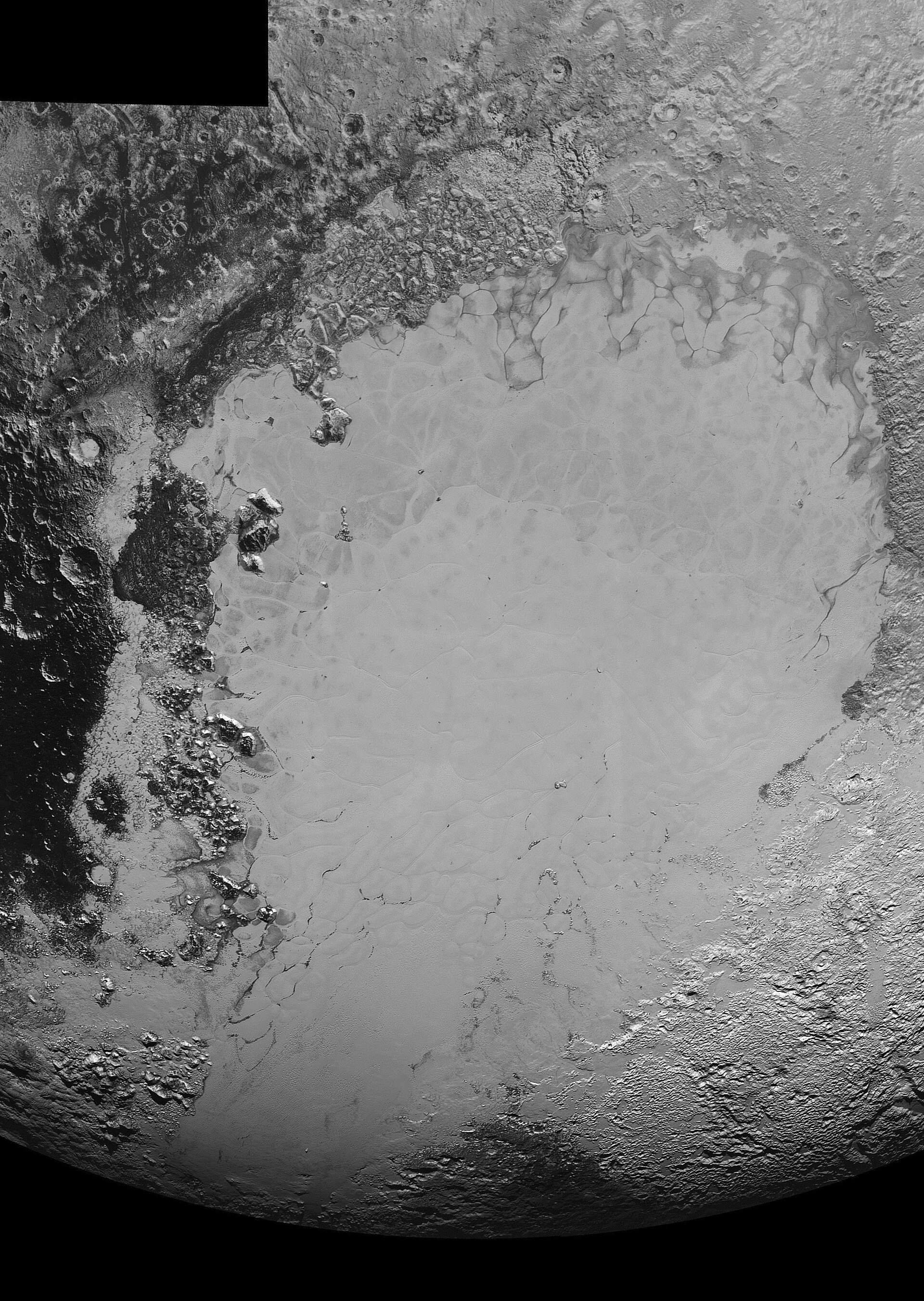
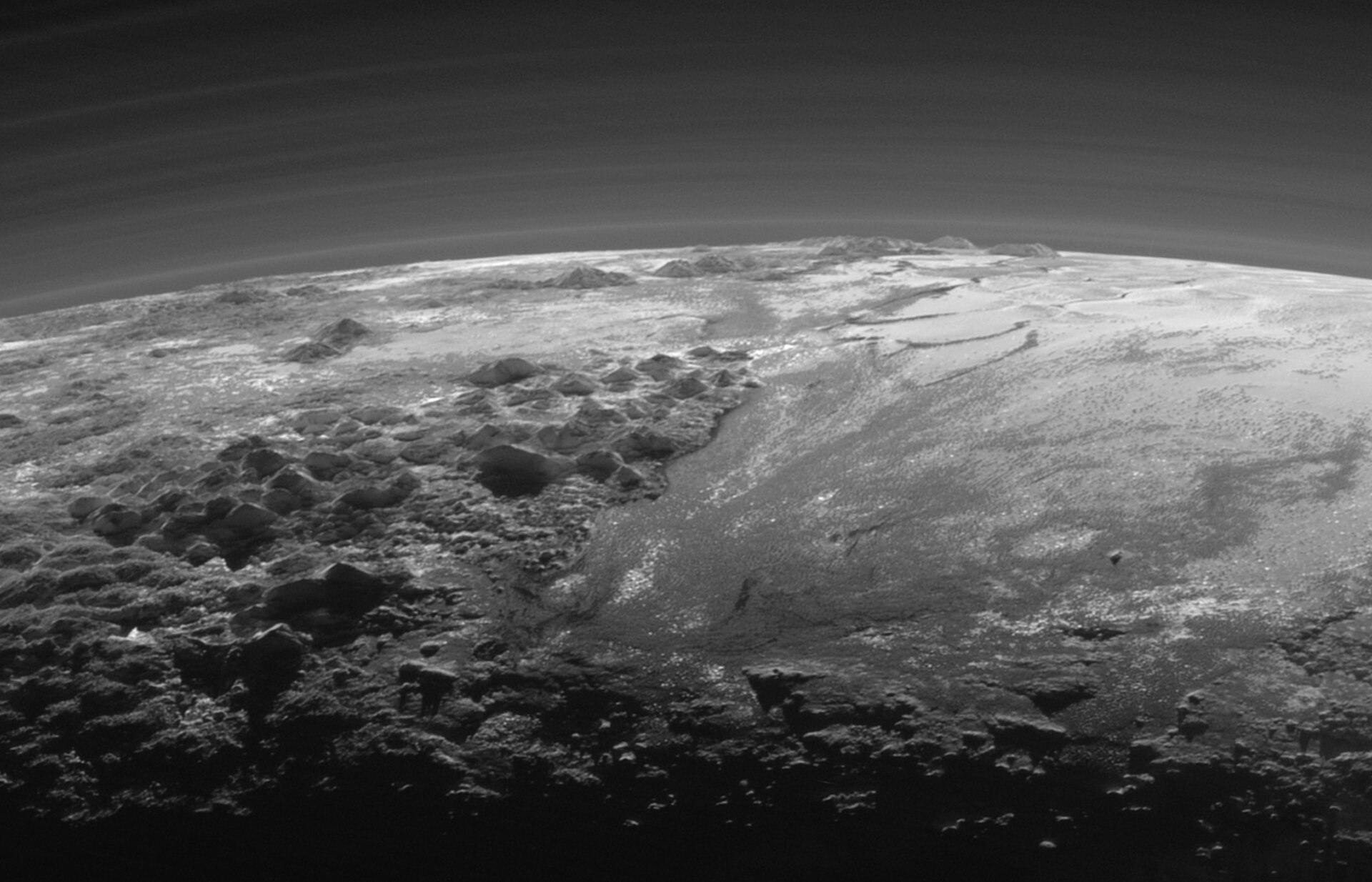
Frozen nitrogen, shaped like a valentine — Tombaugh Regio, the bright heart New Horizons photographed in 2015. It is the smoothest surface in the solar system, and the reason we do this.
We're going back. And this time, we're staying.
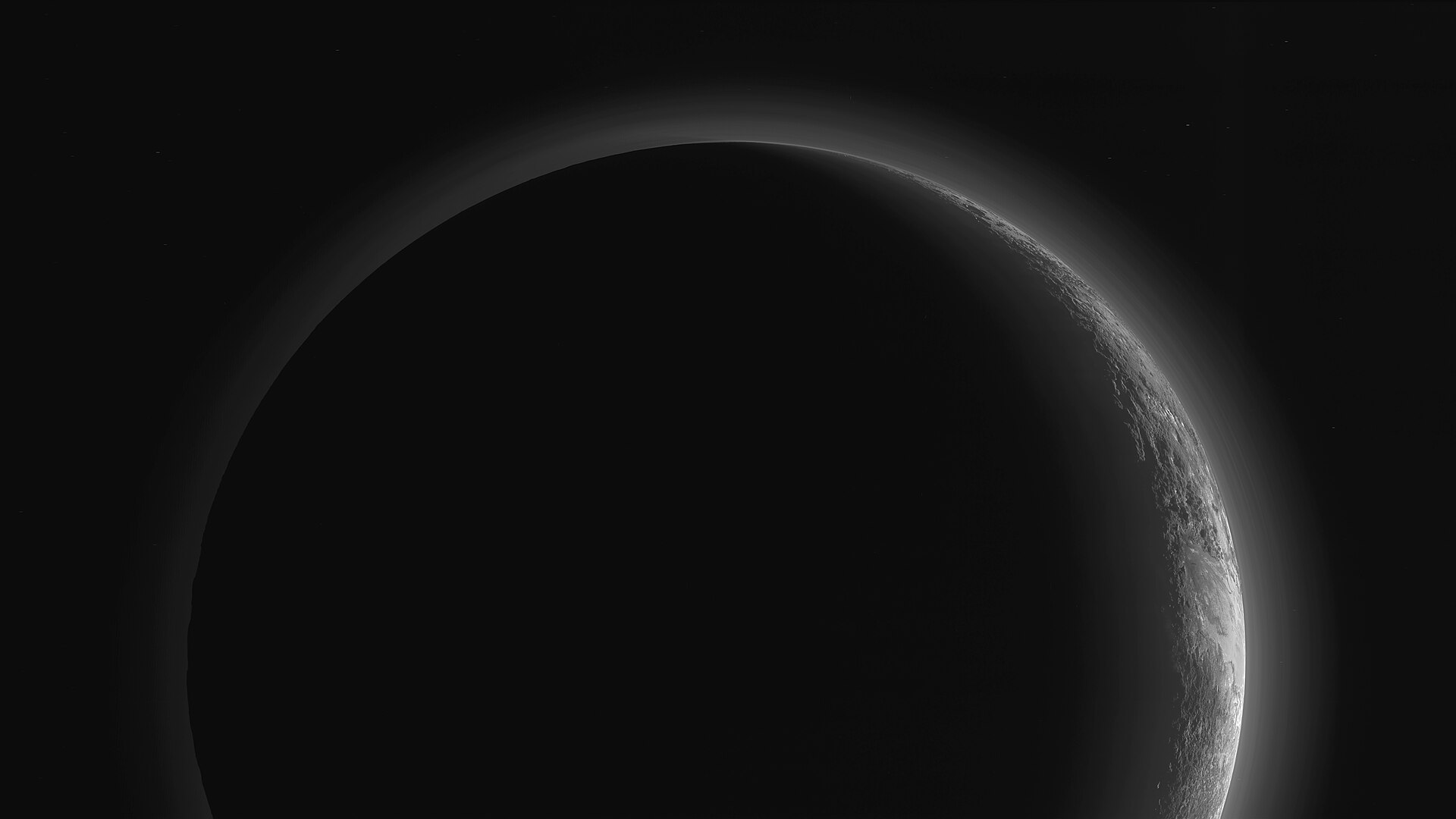
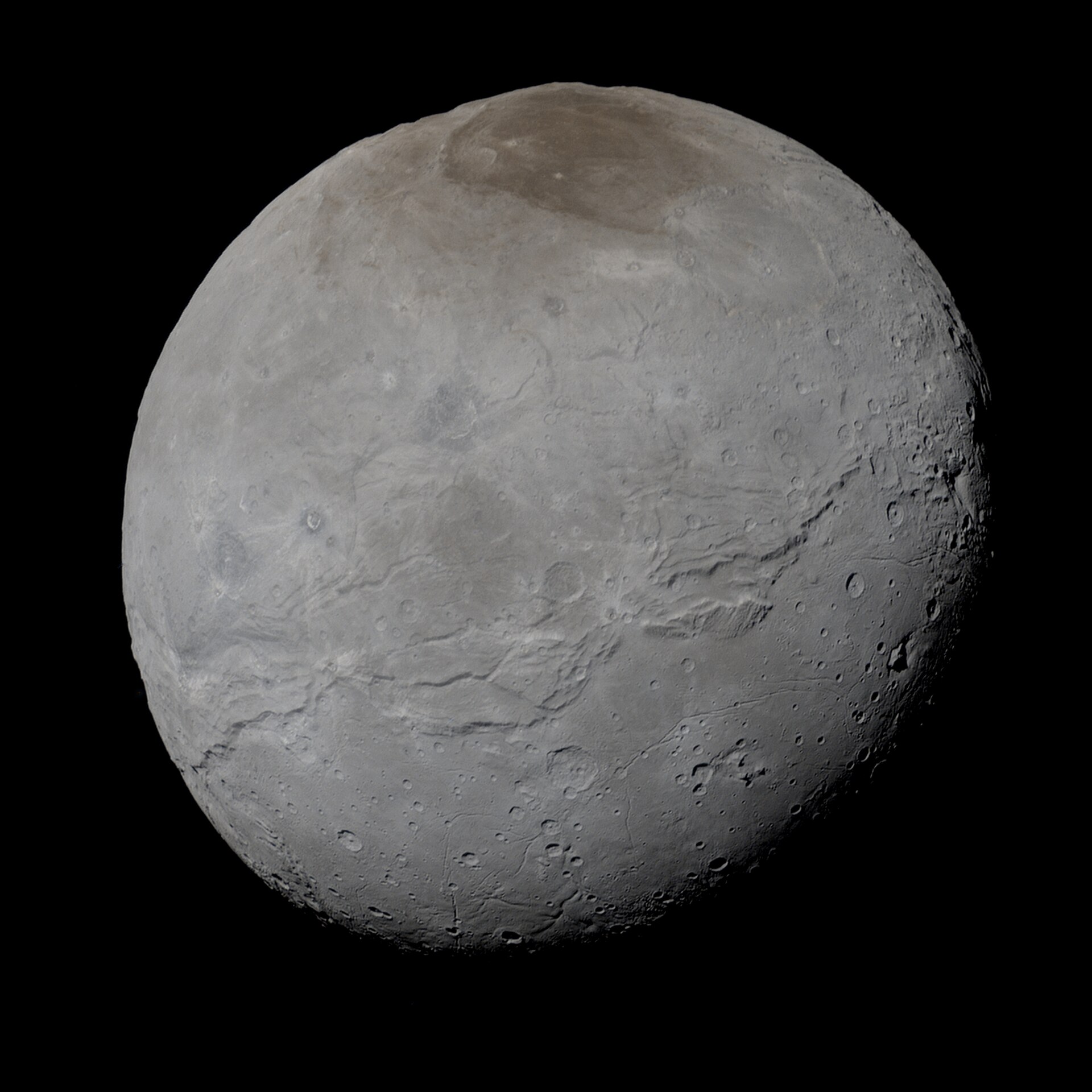
FIELD ARCHIVE · NEW HORIZONS · 2015
03 · PROGRAMS
Neural perception tuned for 4-watt sunlight: terrain mapping, hazard detection and landing site selection at 40 Kelvin, no uplink required.
01Onboard planners that replan when the world changes faster than light. Science triage, fault recovery, and 9 years of silence handled gracefully.
02Constellation architecture for the Kuiper belt: laser crosslinks, cryo-stable avionics, and bandwidth shared like it matters. Because it does.
0304 · ROADMAP
The next Jupiter-assist alignment opens. Atlas V class vehicle, cryo-stable avionics, perception stack frozen two years early for a 15-year cruise.
One year out, Jupiter bends the trajectory and buys four years. The probe wakes monthly to sweep the dark for the unknown.
14 years of silence end. Optical crosslink to the relay constellation goes live — 1,000× New Horizons' 2 kbps downlink.
Descent to Sputnik Planitia. A seismometer listens to the nitrogen glacier convect, and an autonomous lander stays through the 248-year winter.
05 · THE STACK
Plutão's autonomy stack is trained on Earth, hardened for the dark, and shipped as frozen weights. Five stages. One rule: the spacecraft must survive everything we failed to simulate.
Every Pluto map ever made — New Horizons LORRI/MVIC, Hubble albedo, ground radar — plus synthetic terrain rendered under our lighting models, down to metre-scale craters.
A physics-honest twin of Pluto: 44 K thermal cycling, sublimation slopes, kilometer-scale terrain. Policies train for 9 mission-years of failure before they see real vacuum.
40B-parameter teachers distilled into a 1.2B flight brain, quantized INT4 and formally verified against the fault-protection contract.
Dual-redundant rad-hard compute, 0.5 W inference budget. The planner outranks the ground: if telemetry disagrees with Earth, telemetry wins.
New terrain becomes new training data. Patches go up on the next pass; the twin on Earth re-syncs nightly. Human-on-the-loop, never in it.
06 · CONTACT
Applications open with the 2029 launch window. Until then — watch the sky, and mind the gaps between stars.